Understanding HIBT Soft Fork Implementation: Unlocking Cross-Chain Interoperability
Introduction
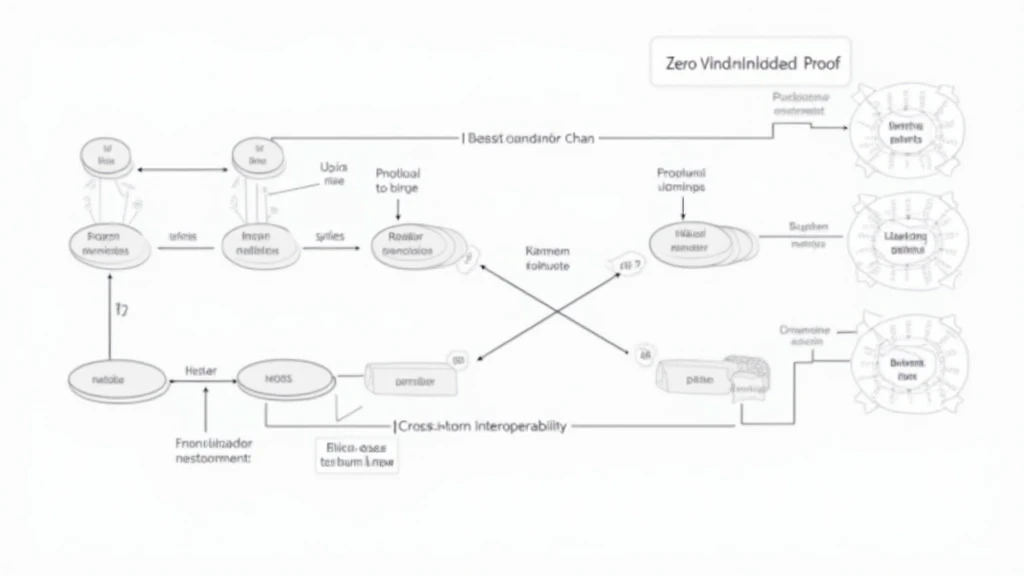
According to Chainalysis 2025 data, a staggering 73% of existing cross-chain bridges exhibit vulnerabilities, presenting a significant risk to users navigating the decentralized finance (DeFi) landscape. One crucial advancement aimed at addressing these issues is the HIBT Soft Fork Implementation, which seeks to enable better cross-chain interoperability and enhance cryptographic safeguards through zero-knowledge proof applications.
What is HIBT Soft Fork Implementation?
The HIBT Soft Fork Implementation can be likened to the upgrade of a currency exchange booth in a busy marketplace. Imagine the old booth could only exchange dollars for euros, but with the upgrade, it can now handle multiple currencies efficiently. This upgrade will allow different blockchain networks, each with unique features and protocols, to communicate seamlessly without compromising security.
Benefits of Cross-Chain Interoperability
Cross-chain interoperability opens the door for a multitude of financial opportunities. Just like a savvy shopper who navigates various stores to find the best deals, users can leverage diverse blockchain ecosystems to optimize asset transfers and minimize transaction fees. However, the question remains: how can we ensure these transactions are secure? This is where tools like multiple signature wallets and smart contract audits come into play, eliminating the headaches associated with managing assets across different chains.
The Role of Zero-Knowledge Proof Applications
Zero-knowledge proofs are akin to a vendor who can prove they have fresh produce without revealing where it came from. They enable parties to verify information without exposing private details, essential in maintaining user anonymity in transactions while ensuring trust. With the HIBT Soft Fork Implementation, the incorporation of zero-knowledge proofs enhances security protocols, providing users with peace of mind as they navigate the DeFi space.
Future Trends in HIBT and DeFi Regulations
Looking ahead, we can anticipate new regulatory frameworks shaping the DeFi space by 2025, especially in regions like Singapore. The potential implementation of such guidelines will likely advocate for the adoption of robust practices, ensuring that innovations such as the HIBT Soft Fork Implementation are compliant while fostering growth. A robust regulatory environment will reassure users, encouraging wider participation in decentralized finance systems.
Conclusion
The HIBT Soft Fork Implementation stands as a beacon of progress within the blockchain ecosystem, empowering users with the gift of seamless cross-chain interoperability and enhanced security through zero-knowledge proof applications. To further reduce risks associated with private key management, consider integrating a hardware wallet like Ledger Nano X, which can minimize exposure to up to 70%. For comprehensive insights, feel free to download our toolkit here.
Stay informed and engaged with the latest developments in the cryptocurrency domain by visiting hibt.com, your reliable source for HIBT-related updates.
Disclaimer: This article does not constitute investment advice. Please consult your local regulatory authority before making any financial decisions.