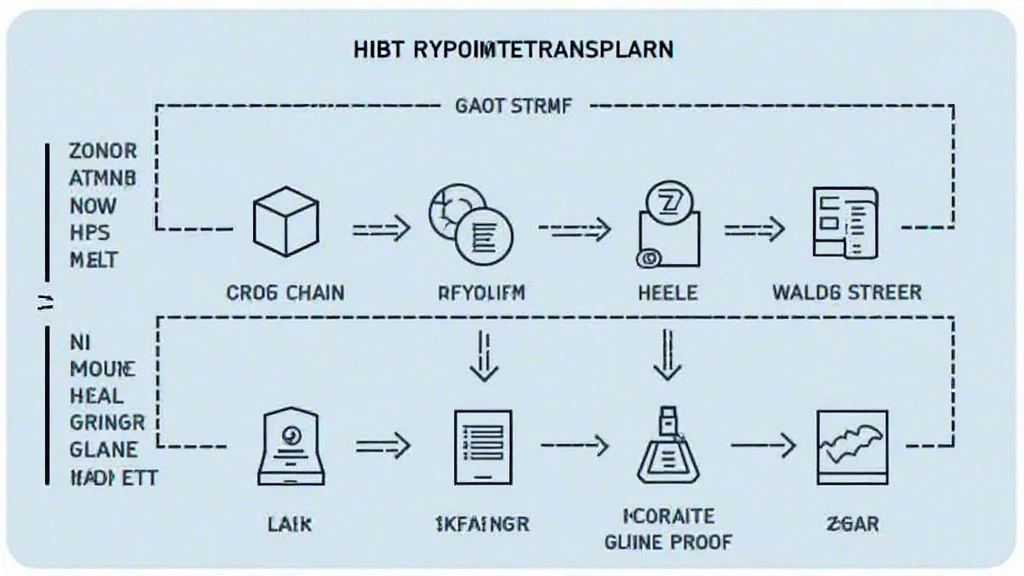
Understanding HIBT Regulatory Framework in Vietnam
Understanding HIBT Regulatory Framework in Vietnam
According to Chainalysis, over 73% of cross-chain bridges are vulnerable, posing significant risks for investors in the rapidly evolving cryptocurrency landscape. With the rise of DeFi and various blockchain applications, understanding HIBT regulatory Vietnam becomes crucial for ensuring compliance and security.
What is HIBT and Why is it Important?
Imagine HIBT as the traffic laws for cryptocurrencies, ensuring they flow safely and efficiently. In Vietnam, this regulatory framework aims to provide clarity in the often chaotic world of digital currencies. By adhering to these regulations, businesses can avoid penalties and foster trust among users.
How Does Cross-Chain Interoperability Fit In?
Cross-chain interoperability can be likened to a currency exchange booth where you can trade one currency for another with ease. HIBT regulatory Vietnam encourages the development of these bridges while ensuring they meet safety standards to protect users from potential fraud.
What are the Applications of Zero-Knowledge Proofs?
Think of zero-knowledge proofs as a way to prove you have money without showing your bank statement. This has significant implications for privacy in transactions. HIBT regulations support innovations in this area, ushering in a new age of secure digital interactions that comply with legal standards.
Looking Ahead: What Should Businesses Focus On?
As we move toward 2025, businesses should prioritize understanding HIBT regulatory frameworks to align their operations with upcoming changes. Those who invest in compliance are likely to gain a competitive edge in the evolving Vietnamese market.
In summary, navigating the HIBT regulatory Vietnam landscape may seem daunting at first, but with the right tools and resources, such as our comprehensive white paper, you can stay informed and secure your investments.
To further enhance your security, consider using hardware wallets like Ledger Nano X to reduce up to 70% of risks associated with private key exposure. Remember, however, that this article does not constitute financial advice. Always consult local regulatory bodies such as MAS or SEC before investing.
For ongoing updates and resources, download our toolkit today!