Understanding HIBT Metaverse Regulatory Issues: A 2025 Outlook
Understanding HIBT Metaverse Regulatory Issues: A 2025 Outlook
Data from Chainalysis reveals that as of 2025, a staggering 73% of cross-chain bridges in the metaverse are susceptible to vulnerabilities. This alarming statistic highlights the urgent need for regulatory frameworks that can effectively address these issues while supporting innovation.
What Are HIBT Metaverse Regulatory Issues?
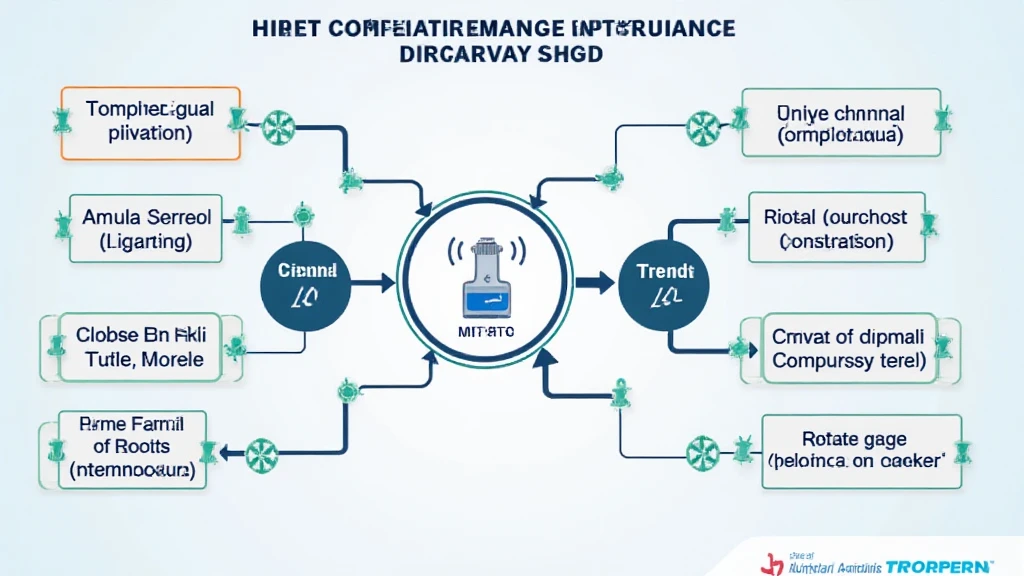
To put it simply, HIBT Metaverse Regulatory Issues refer to the challenges associated with governing interactions within digital and immersive environments. Imagine visiting a marketplace where different stalls accept various currencies—cross-chain interoperability allows users to exchange these currencies seamlessly. Just like how currencies differ across regions, so do the regulations that govern them. Without harmonized rules, users might face unforeseen risks.
The Role of Zero-Knowledge Proofs in Compliance
Zero-knowledge proofs act like a sealed envelope that verifiably contains a letter without revealing its contents. Using this technology can enable users to prove their identity or transaction validity without sharing sensitive data. As HIBT evolves, the application of zero-knowledge proofs will become pivotal in ensuring regulatory compliance while safeguarding user privacy. Just think of it as showing your ID to gain entry into a concert, but instead of revealing your age, you only prove that you are eligible without disclosing personal specifics.
Current Global Trends in DeFi Regulation for 2025
As we look forward to 2025, some regions, such as Singapore, are paving the way for DeFi regulation. With the introduction of a structured framework, Singapore aims to address the gaps in the governance of decentralized finance platforms. Picture this: it’s like enforcing traffic rules on an unregulated road. Such measures could enhance user protection and foster widespread adoption—securing a future where innovation does not outpace regulation.
Comparing PoS Mechanism Energy Consumption
The energy consumption of Proof of Stake (PoS) mechanisms against traditional Proof of Work (PoW) systems can be likened to switching from gas-powered vehicles to electric ones. With increased efficiency and reduced environmental impact, PoS can serve as a more sustainable choice for blockchain operations in the metaverse. As regulatory pressures emphasize sustainability, PoS’s advantages could make it the preferred choice in upcoming regulations.
In summary, navigating the HIBT Metaverse Regulatory Issues requires a robust understanding of cross-chain interoperability and cutting-edge technologies like zero-knowledge proofs. By staying ahead of these trends, stakeholders can better prepare for the evolving landscape of digital finance.
Download Our Comprehensive Toolkit
Ready to dive deeper? Download our exclusive toolkit that outlines everything you need to know about addressing these regulatory challenges.
As always, this article does not constitute investment advice. Please consult your local regulatory authority (like MAS or SEC) before proceeding with any transactions. Additionally, tools like Ledger Nano X can significantly reduce risks of private key leakage by up to 70%.
For more insightful resources, check out our cross-chain_security_whitepaper”>cross-chain security whitepaper and other studies on our website.