Understanding HIBT Hard Fork Regulations: A 2025 Overview
Introduction to HIBT Hard Fork Regulations
As blockchain technology evolves, so does the regulatory landscape surrounding it. In 2025, Chainalysis data revealed that a staggering 73% of cross-chain bridges have vulnerabilities that could jeopardize your investment. HIBT Hard Fork Regulations aim to address such vulnerabilities by implementing standards and practices to safeguard users.
What Are HIBT Hard Fork Regulations?
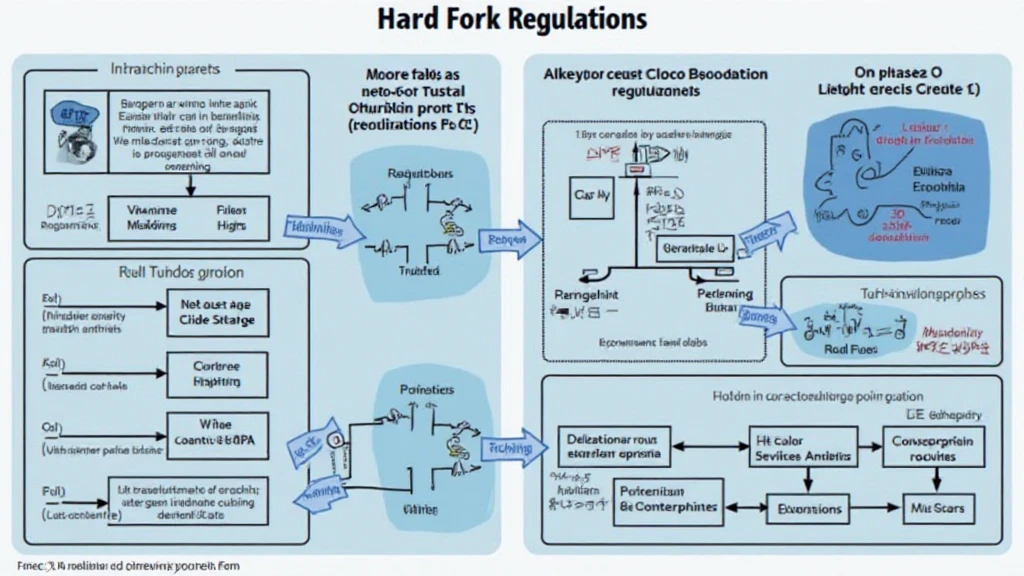
Imagine you go to a currency exchange booth to swap Euros for Dollars; the process has to follow strict guidelines to protect your money. Similarly, HIBT Hard Fork Regulations create a set of guidelines that developers must follow to ensure that when a blockchain network undergoes a hard fork, it remains secure and functional. These regulations include compliance requirements and guidelines for assessing risks associated with the hard fork.
The Importance of Cross-Chain Interoperability
Cross-chain interoperability is like having a multilingual guide in a foreign country. It makes transactions smoother across different blockchain networks. HIBT Hard Fork Regulations encourage interoperability by promoting standards that make it easier for different chains to communicate, ultimately increasing usability and creating a seamless user experience.
How Zero-Knowledge Proofs Play a Role
You might have come across zero-knowledge proofs in cryptography. They’re like when you show someone your ID but keep your personal information hidden—providing evidence without revealing the sensitive data itself. Within the framework of HIBT Hard Fork Regulations, zero-knowledge proofs help enhance privacy and security during blockchain transitions, making user experiences safer.
Future Trends in HIBT Hard Fork Regulations
As we look forward, the HIBT Hard Fork Regulations are likely to evolve alongside the technology, especially with emerging trends such as DeFi in Singapore. These regulations will aim to mitigate risks and promote industry growth while ensuring compliance with local laws.
Conclusion and Call to Action
In summary, understanding HIBT Hard Fork Regulations is crucial for navigating the future of cryptocurrency safely. To stay informed, download our comprehensive toolkit on HIBT regulations and align your strategies with upcoming standards.
Note: This article does not constitute investment advice. Please consult local regulatory authorities like MAS or SEC before making any investment decisions. Additionally, consider securing your assets with a Ledger Nano X to reduce the risk of private key leakage by up to 70%.
For further reading, check out our cross-chain safety and stay updated with the latest on HIBT regulations.