2025 DeFi Insurance Protocols: HIBT’s Role in Cross-Chain Interoperability
Introduction: Understanding the Vulnerabilities
According to Chainalysis 2025 data, a staggering 73% of cross-chain bridges are susceptible to vulnerabilities, posing significant risks in Decentralized Finance (DeFi). In this comprehensive analysis, we delve into how HIBT DeFi insurance protocols are revolutionizing the way users secure their assets amid these risks. With the increasing popularity of DeFi, understanding these protocols is crucial for anyone looking to navigate this evolving landscape.
What Are HIBT DeFi Insurance Protocols?
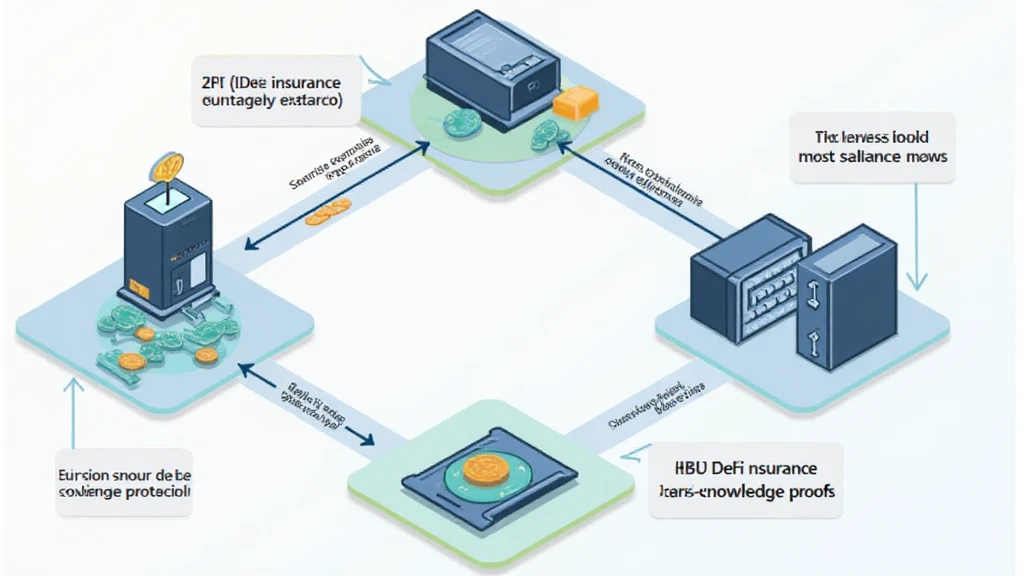
Think of HIBT DeFi insurance protocols like your neighborhood insurance agent. They evaluate risks and help you secure your assets from potential losses. Just like you wouldn’t want to put all your eggs in one basket, HIBT spreads the risk across multiple blockchains, ensuring that your investment is protected against common vulnerabilities. This innovative approach enhances user trust and safety in transactions.
How Cross-Chain Interoperability Works
Cross-chain interoperability can sound complex, but let’s put it in simple terms: imagine a currency exchange booth at an airport. HIBT ensures that users can seamlessly trade assets across different blockchain networks without the usual headaches of compatibility issues. By leveraging advanced technologies such as zero-knowledge proofs, HIBT provides users with a secure and transparent way of confirming transactions across different platforms.
The Impact of Zero-Knowledge Proofs on Security
Zero-knowledge proofs are like a magician performing a trick: they allow you to prove something without revealing any specifics. For instance, when you need to show that you have enough funds to complete a transaction, zero-knowledge proofs confirm this without exposing your entire financial history. HIBT utilizes this technology to bolster the security of DeFi insurance protocols, safeguarding user information and enhancing transaction reliability.
Local Insights: DeFi Regulations in Singapore by 2025
As we look to the future, the DeFi landscape in Singapore is evolving rapidly. With potential regulatory changes on the horizon, understanding how HIBT DeFi insurance protocols adapt to local requirements is vital. For instance, the Monetary Authority of Singapore (MAS) is anticipated to introduce new regulations to protect investors, which may further shape the role of insurance protocols in the region.
Conclusion
As the DeFi space continues to expand, HIBT DeFi insurance protocols stand out as a beacon of security and trust. By adopting innovative solutions such as cross-chain interoperability and zero-knowledge proofs, they help mitigate the risks associated with decentralized transactions. To further understand how these protocols can protect your investments, download our comprehensive tool kit today!
Check out the whitepaper on cross-chain security protocols here!
Disclaimer: This article is for informational purposes only and does not constitute investment advice. Always consult with local regulatory bodies (e.g., MAS, SEC) before making investment decisions. Enhance your security with Ledger Nano X, which can reduce the risk of private key exposure by 70%.
Author: Dr. Elena Thorne
Former IMF Blockchain Consultant | ISO/TC 307 Standard Developer | Published 17 IEEE Blockchain Papers