Understanding HIBT DeFi DAO Taxation in 2025
Understanding HIBT DeFi DAO Taxation in 2025
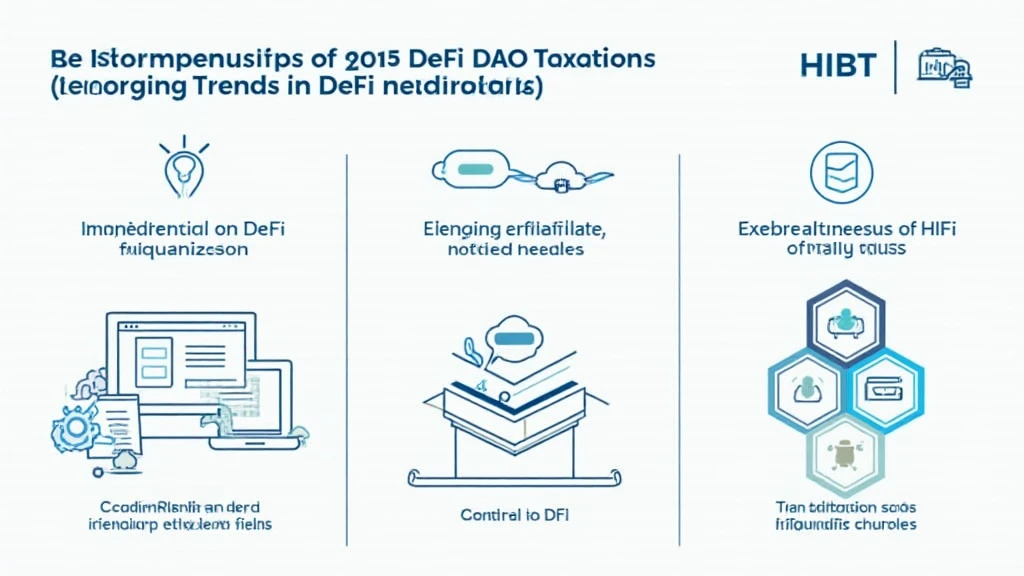
As we step into 2025, the decentralized finance (DeFi) landscape is facing significant scrutiny regarding taxation. Recent data from Chainalysis shows that a staggering 73% of DeFi projects lack transparency in their financial operations. This raises concerns not only for investors but also for regulators looking to impose taxes effectively on these projects. In this article, we will explore the implications of HIBT DeFi DAO Taxation and how stakeholders can navigate this evolving regulatory environment.
What is HIBT and Why Does Taxation Matter?
To put it simply, HIBT signifies High-Impact Blockchain Technology. When we look at taxation in the context of HIBT DeFi DAOs, think of it like the sales tax at a farmer’s market. Just like each vendor collects tax on their goods, DeFi projects need to incorporate tax strategies that comply with local regulations. In 2025, as the global push for cryptocurrency regulation intensifies, understanding these tax implications will be crucial for developers and investors alike.
What Trends Are Emerging in DeFi regulation?
One trend to watch in 2025 is the regulatory framework being shaped in Singapore. As a powerhouse in the digital economy, Singapore is establishing clear guidelines for DeFi projects which may serve as a model for other nations. Think of it like a roadmap guiding travelers on a picturesque journey; if all projects follow the guidelines, the journey through regulation can become smoother. These regulations will certainly impact how HIBT DeFi DAOs operate and report taxes going forward.
How Do Zero-Knowledge Proofs Apply?
Imagine you’re trying to buy a secret recipe; you want proof it’s good without revealing the actual ingredients. That’s what Zero-Knowledge Proofs (ZKPs) do in the blockchain world—they allow one party to prove to another that a statement is true without revealing the underlying data. In the context of HIBT DeFi DAO Taxation, ZKPs could help maintain compliance while protecting user privacy. This dual functionality can create a more secure environment within which users can engage without fearing tax repercussions.
What Strategies Can Be Utilized for Compliance?
For individuals and DAOs, adopting proactive compliance strategies is like putting on seatbelts before hitting the road. Keeping accurate records, understanding the local tax laws (like those in Dubai!), and utilizing tools such as tax software can significantly reduce the risk of penalties. With tools like Ledger Nano X, ensuring your data remains secure becomes simpler, offering peace of mind against potential breaches—just like locking your car before stepping away.
Conclusion: Preparing for the Future of HIBT DeFi DAO Taxation
As we move forward, it is evident that HIBT DeFi DAO Taxation will become increasingly complex and essential to address. Stakeholders must remain informed about regulatory changes and adopt appropriate measures to ensure compliance. Don’t forget to download our comprehensive tool kit to navigate these waters effectively. Click here to download the tool kit!
Remember, this article does not constitute investment advice. Always consult with your local regulatory body, such as the MAS/SEC, before making any investment decisions.
For more insights, visit our website and check out our resources on DeFi security and decentralized finance trends at HIBT.
Brand: cryptonewssources