Navigating Ethereum Tax Regulations in Vietnam: A 2025 Update
Navigating Ethereum Tax Regulations in Vietnam: A 2025 Update
According to Chainalysis 2025 data, a staggering 73% of cryptocurrency users are unaware of their tax obligations. As the popularity of Ethereum (ETH) continues to rise, understanding the tax implications in Vietnam has never been more critical for both investors and businesses.
What Are the Current Ethereum Tax Regulations in Vietnam?
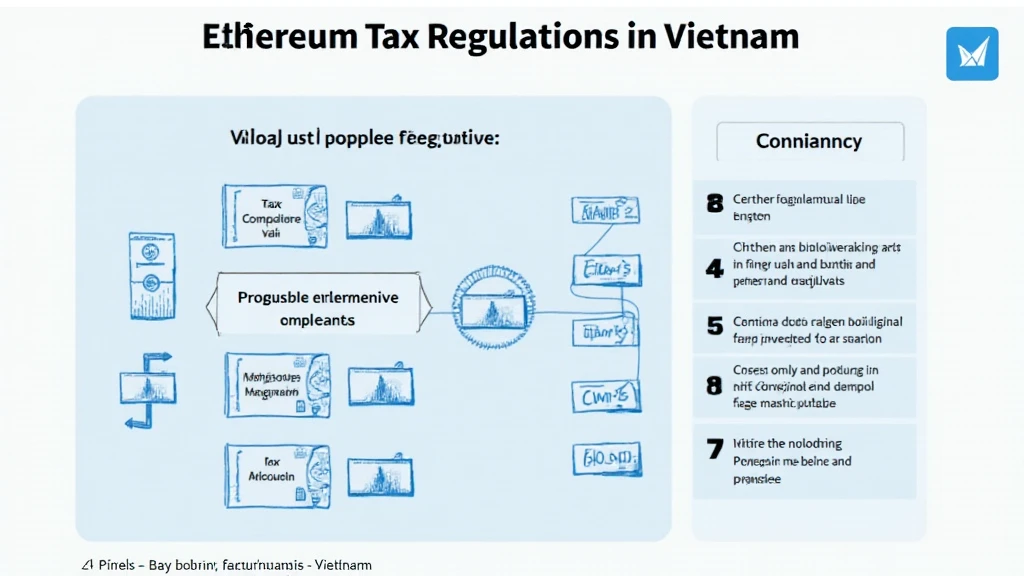
In Vietnam, the regulatory landscape for cryptocurrencies, including Ethereum, is evolving. The government currently classifies cryptocurrencies as taxable property rather than currency. This means that any gains from Ethereum trading are subject to capital gains tax, similar to selling stocks. Think of it like selling your old bicycle; if you sell it for more than you paid, you owe tax on the profit. If you’re dealing with ETH, make sure to report those transactions to avoid any legal troubles.
How is Ethereum Taxed Compared to Other Cryptocurrencies?
When it comes to taxes, Ethereum stands alongside other popular cryptocurrencies such as Bitcoin. However, the differing transaction and holding characteristics can influence tax outcomes. For instance, if Ethereum is recognized for staking rewards, those additional earnings can also be taxable. Imagine buying a plant that not only grows but also produces fruit; you would have to account for both the plant itself and the fruit it produces when calculating gains.
Are There Any Incentives for Ethereum Investors in Vietnam?
Despite the regulations, Vietnam has demonstrated a progressive approach toward cryptocurrencies. Incentives such as tax breaks for tech startups working with blockchain technology can potentially ease the tax burden. This is akin to a farmer receiving subsidies for planting certain crops. Investors should always stay updated on whether these incentives apply to Ethereum transactions, ensuring they capitalize on any available opportunities.
What Tools Can Help Manage Your Ethereum Taxes?
Tracking your Ethereum transactions is essential for compliance. You might consider using tools like Ledger Nano X, which can significantly reduce the risk of private key exposure by up to 70%. Managing your crypto assets securely can help keep your investment safe, much like locking your valuable items in a safe deposit box.
In conclusion, navigating Ethereum tax in Vietnam requires diligence and awareness of current laws. For more insights and a comprehensive toolkit, download our resources on cryptocurrency compliance.
For further reading on cryptocurrency regulation, check out our latest reports on cross-chain security and crypto investments intelligence.
Disclaimer: This article does not constitute investment advice. Please consult local regulatory agencies like the MAS and SEC before making financial decisions.
Authored by: Dr. Elena Thorne
Former IMF Blockchain Advisor | ISO/TC 307 Standard Developer | Published 17 IEEE Blockchain Papers