2025 Ethereum Regulatory Compliance HIBT Overview
Introduction: The Growing Need for Compliance
According to Chainalysis data from 2025, a staggering 73% of cross-chain bridges exhibit vulnerabilities. As the crypto landscape evolves, Ethereum’s regulatory compliance is becoming increasingly pivotal. The HIBT (Holistic Interoperability Blockchain Technology) framework emerges as a key player in bridging gaps between regulatory regimes and blockchain functionality, ensuring adherence to compliance standards.
Section 1: Understanding HIBT and Its Importance
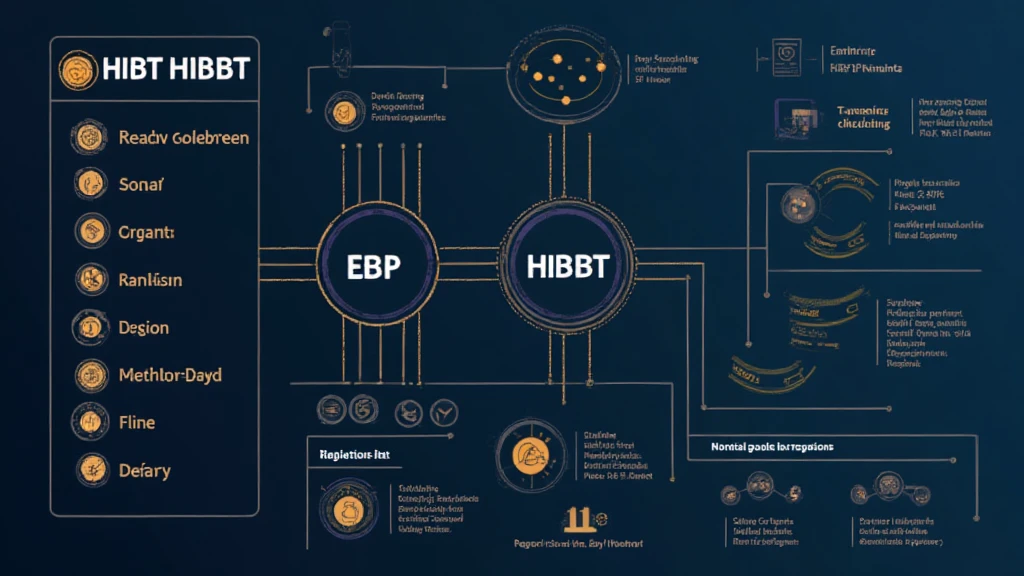
Think of HIBT like a multilateral trade agreement, which streamlines processes between nations. In the crypto context, HIBT offers a framework to navigate the complexities of regulatory compliance. It helps Ethereum projects to align with global standards, thus fostering trust among investors and regulatory bodies. This creates a more stable environment for the growth of digital asset markets.
Section 2: Cross-Chain Interoperability and Compliance
Picture a currency exchange booth at an airport. Just like you can convert dollars to euros seamlessly, HIBT facilitates the smooth transfer of assets across different blockchains while ensuring compliance. This interoperability is crucial in 2025 as DeFi regulations tighten. Compliance becomes essential not just for legal operation, but for building user confidence in asset safety.
Section 3: Zero-Knowledge Proof Applications
You might have heard of zero-knowledge proofs as a complex cryptographic concept. Think of it like a bouncer at a nightclub checking IDs but not revealing your age. In regulatory situations, these proofs allow that a transaction adheres to rules without exposing all transaction details. This technology can significantly enhance Ethereum’s regulatory framework, ensuring compliance while maintaining user privacy.
Section 4: PoS Mechanism and Energy Consumption Comparisons
Imagine you have energy-efficient light bulbs compared to traditional ones. The Proof of Stake (PoS) mechanism implements a similarly sustainable approach in validating transactions on Ethereum. While 2025 brings in stricter energy consumption guidelines, PoS ensures Ethereum remains compliant without sacrificing environmental standards. This is not just a trend; it’s a necessity for responsible cryptocurrency development.
Conclusion
As we move towards a regulatory-centric future for Ethereum, embracing the HIBT framework will be essential for compliance in the ever-evolving landscape. By understanding the importance of cross-chain interoperability, leveraging zero-knowledge proofs, and adopting PoS mechanisms, Ethereum can secure its place as a leading blockchain technology. For a deeper dive into these themes and comprehensive guides, download your compliance toolkit now!
Disclaimer: This article does not constitute investment advice. Always consult local regulatory authorities before proceeding.