Ethereum Interoperability in Vietnam: The Future of Cross-Chain Bridges
Ethereum Interoperability in Vietnam: The Future of Cross-Chain Bridges
According to Chainalysis data from 2025, a staggering 73% of cross-chain bridges have security vulnerabilities that could threaten user funds. In Vietnam, where the crypto community and decentralized finance (DeFi) are burgeoning, the need for effective solutions to these vulnerabilities has never been more pressing. This article delves into the state of Ethereum interoperability in Vietnam, discussing its potential to unlock new financial opportunities while addressing critical security concerns.
Understanding Ethereum Interoperability
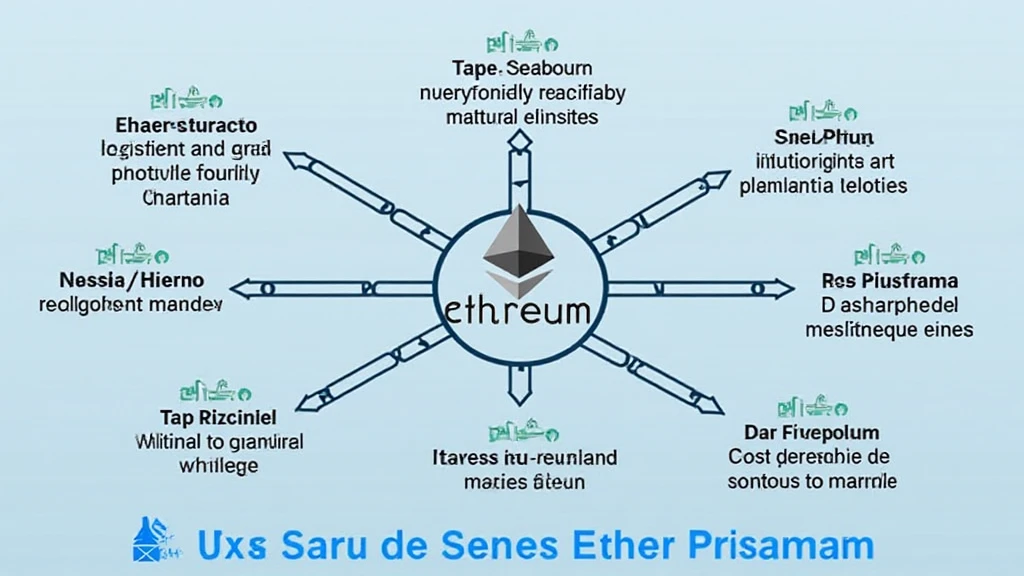
When we talk about Ethereum interoperability, we’re essentially discussing how different blockchain networks can communicate with each other. Think of it like a currency exchange booth at an airport. Just as you can swap your US dollars for euros, blockchain interoperability allows for assets and data to move seamlessly across different networks. For Vietnam, this means a more connected and efficient ecosystem for financial transactions, leading to greater adoption of DeFi applications.
The Importance of Cross-Chain Bridges
Cross-chain bridges serve as crucial connections between blockchains. In Vietnam’s context, these bridges allow users to transfer assets from Ethereum to other blockchain networks without hiccups. This functionality not only broadens the horizon for investors but also encourages innovation within local projects. However, as noted earlier, the vulnerability of many existing bridges is a significant concern. It’s imperative for developers in Vietnam to focus on building secure, resilient bridge solutions to gain user trust.
Zero-Knowledge Proofs: A Game Changer
One innovative technology that can help enhance Ethereum interoperability is zero-knowledge proofs (ZKPs). Imagine ZKPs as a special lock that opens only for those who possess the correct key. They allow one party to prove to another that they know a secret (like a password) without revealing the secret itself. In Vietnamese decentralized finance, implementing ZKPs can lead to improved privacy and security in transactions, minimizing the risks associated with cross-chain operations.
Looking Ahead: The DeFi Landscape in Vietnam
As we look towards 2025, we can expect significant growth in Vietnam’s DeFi regulatory environment and adoption rates. The government is exploring policies that will nurture innovation while ensuring consumer protection. For instance, regulations similar to those in Singapore may emerge, shaping the localized DeFi landscape. Investing in Ethereum interoperability technologies could place Vietnam at the forefront of the Southeast Asian crypto scene, making it an attractive destination for blockchain entrepreneurs and investors.
Conclusion
In summary, Ethereum interoperability holds immense potential for Vietnam’s financial ecosystem. With the right focus on security, development of cross-chain bridges, and innovative technologies like zero-knowledge proofs, the country can harness the power of decentralized finance effectively. To dive deeper into this topic and explore tools that can mitigate risks, download our comprehensive toolkit below.
This article does not constitute investment advice. Please consult your local regulatory authority before making any financial decisions.
Stay ahead in the crypto landscape with cryptonewssources!