Ethereum DAO Governance Best Practices
Introduction: The Future of Ethereum DAO Governance
As the DeFi landscape evolves, vulnerabilities arise. In 2024 alone, $4.1 billion was lost due to hacks in the decentralized finance space. This staggering amount underscores the importance of effective governance in Ethereum DAOs. Implementing suitable governance practices isn’t just an option; it’s imperative for sustaining trust and resilience in these ecosystems.
Understanding Ethereum DAOs
Decentralized Autonomous Organizations (DAOs) have emerged as key players in the Ethereum ecosystem. They operate using smart contracts, allowing members to make collective decisions without centralized authority.
- Security Measures: DAOs must implement stringent security protocols to protect member assets. Adopting standards like tiêu chuẩn an ninh blockchain can aid in securing transactions and governance decisions.
- Transparency: Open governance processes build trust. When all transactions are publicly recorded, members can track decisions and expenditures.
- Member Education: Keeping members informed about risks helps in promoting a security-first culture.
Key Governance Strategies for Effective Decision Making
Governance in Ethereum DAOs relies heavily on collaboration and consensus. Here are some best practices to consider:
- Weighted Voting: Utilize weighting mechanisms based on token holdings to align decision-making with investment interests.
- Regular Auditing: Engaging in frequent audits of governance contracts is critical. Tools like hibt.com offer comprehensive security assessments to identify vulnerabilities.
- Incorporating Feedback Loops: Collecting input from members post-decision can provide insights for future governance.
Implementing Efficient Communication Channels
Effective communication is crucial to any DAO’s success. Leveraging various platforms for updates—think of it like a centralized bank notifying clients of policy changes—can make a significant difference.
- Utilizing Discord and Telegram: These platforms can serve as primary channels for real-time updates, discussions, and feedback.
- Scheduled Governance Calls: Regular meetings foster transparency and a collaborative culture among members.
Measuring Success in DAO Governance
To evaluate governance efficacy, it’s essential to establish clear performance metrics. Tracking member engagement and the outcomes of governance decisions can shine a light on areas needing improvement.
- Proposal Success Rate: Calculate the percentage of proposals passed versus those proposed.
- Member Participation Rate: Monitor active participation in votes to ensure a vibrant community.
Conclusion: The Path Forward for Ethereum DAOs
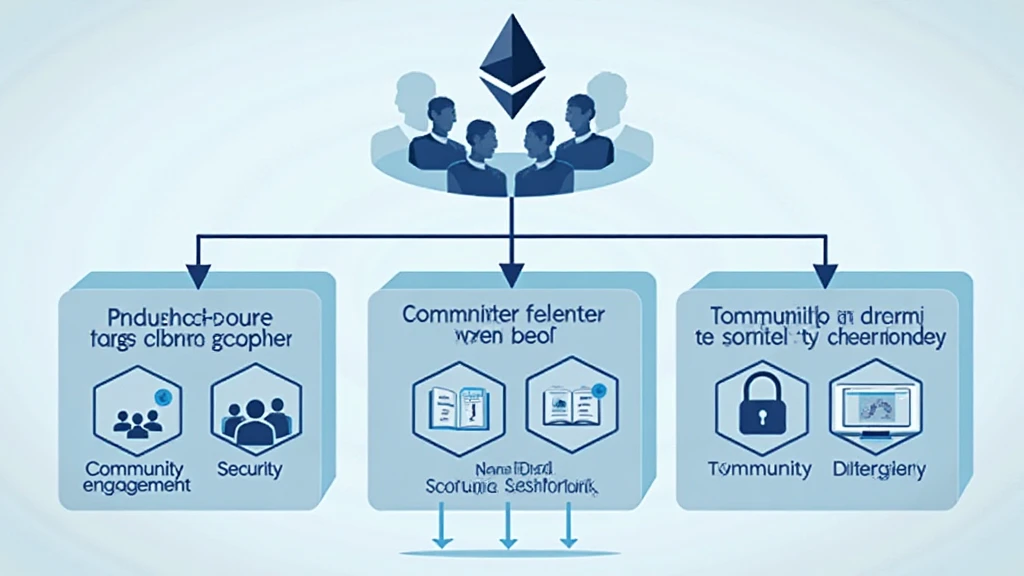
As we step into a new era of decentralized governance, adopting Ethereum DAO governance best practices is not just beneficial—it’s essential. By embracing robust security measures, fostering transparent communication, and facilitating member engagement, DAOs can thrive in this dynamic environment.
For those looking ahead, understanding how to audit smart contracts effectively and preparing for the growth seen in the Vietnamese market—where crypto users have surged by over 50% in the past year—will be pivotal.
Stay informed and enhance your DAO governance strategies with insights from cryptonewssources.com”>cryptonewssources.
Author: Dr. Emily Tran
Dr. Tran is a blockchain expert with over 15 published papers on decentralized finance and has led audits for various prominent crypto projects.