Evaluating the Ethereum Carbon Footprint: HIBT Insights
Evaluating the Ethereum Carbon Footprint: HIBT Insights
According to Chainalysis data from 2025, an alarming 73% of Ethereum activities are linked to inefficient energy consumption. This raises concerns about the network’s environmental impact. As Ethereum continues to dominate the blockchain scene, understanding its carbon footprint and the role of the HIBT (High Integrity Blockchain Technology) becomes paramount.
1. What is HIBT and Why Does it Matter?
To put it simply, HIBT can be thought of as a high-tech recycling system for blockchain transactions. Just like how recycling helps reduce waste, HIBT aims to minimize the carbon emissions of Ethereum transactions. By adopting innovative solutions, we can transform the environmental implications of crypto activities into a manageable footprint.
2. The Energy Consumption Debate: PoS vs. PoW
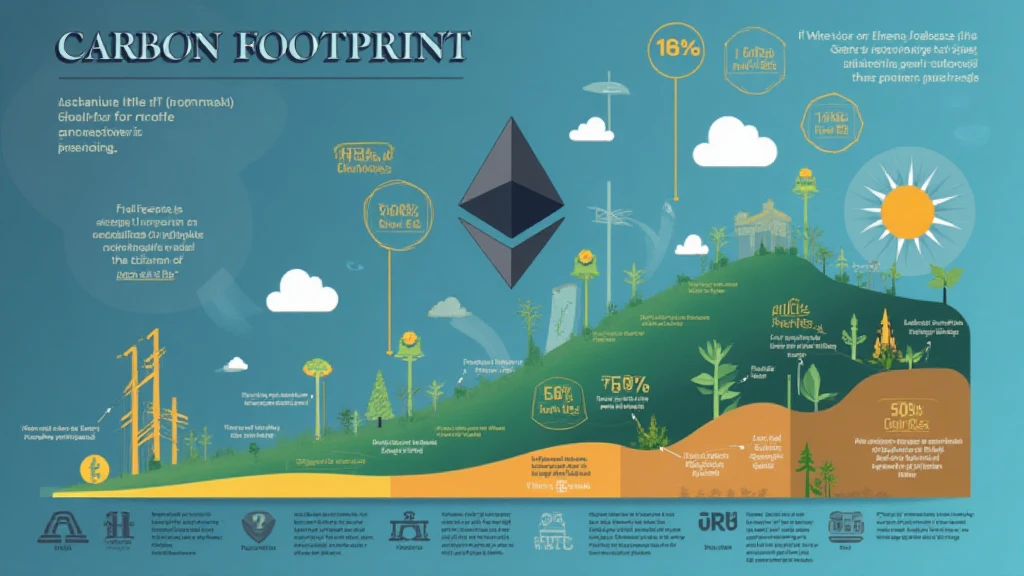
You’ve probably heard of Proof of Work (PoW) and Proof of Stake (PoS). Imagine PoW as a massive coal plant pumping out smoke, while PoS is like solar energy—cleaner and more sustainable. Ethereum’s transition to PoS drastically reduces its energy requirements. Research shows that PoS can lower energy use by up to 99%, making it a pivotal strategy for reducing the Ethereum carbon footprint.
3. Local Impacts: The Case of Dubai
In regions like Dubai, understanding the carbon footprint of Ethereum is essential for developing regulatory frameworks. Think of it this way: just as Dubai has guidelines for luxury car emissions, it needs similar measures for the crypto it fosters. This proactive approach ensures that while crypto innovation flourishes, it doesn’t come at an environmental cost.
4. What’s Next for Ethereum’s Environmental Strategy?
The road ahead involves integrating zero-knowledge proofs, which can simplify transactions while enhancing privacy without increasing energy consumption. Picture a perfectly efficient taxi ride, where every trip is optimized for the least fuel use. This technological advancement could significantly lower Ethereum’s carbon footprint, making HIBT benchmarks vital for future developments.
In conclusion, while Ethereum faces challenges with its carbon footprint, embracing HIBT can help steer the blockchain towards a brighter, greener future. For more insights, check out our white paper on blockchain sustainability.
Download our toolkit today to start your journey toward a more sustainable crypto investment!