Exploring Ethereum Carbon Accounting in 2025
Introduction: The Need for Carbon Accounting
According to Chainalysis 2025 data, 73% of cryptocurrency projects lack transparency in their carbon emissions data. As Ethereum transitions to a Proof of Stake (PoS) model, the focus sharpens on Ethereum carbon accounting. This shift is crucial to attract environmentally-conscious investors and address regulatory demands around carbon footprints.
Understanding Ethereum’s Carbon Footprint
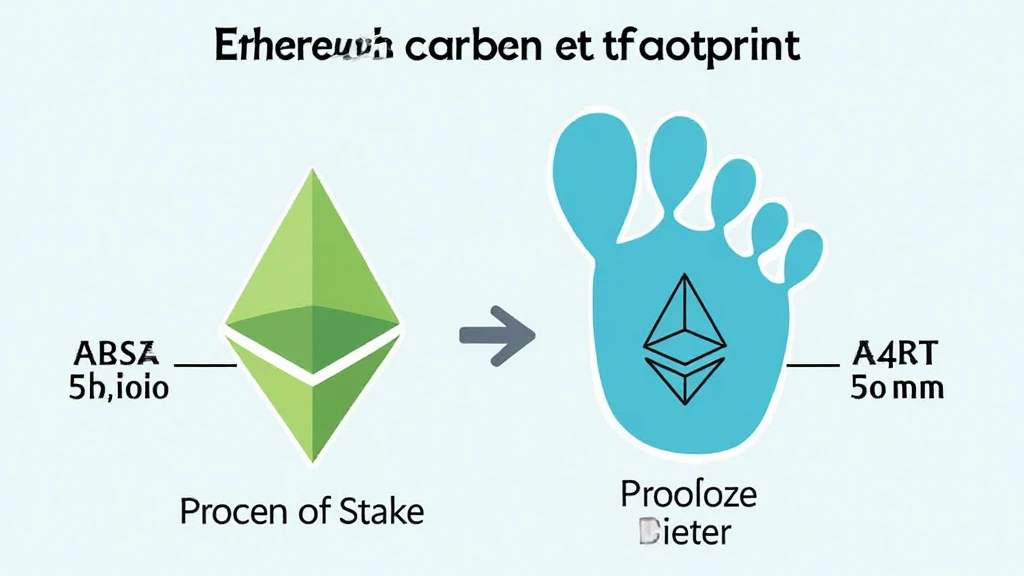
Imagine you run a bakery. To minimize your waste, you track how many ingredients you use versus what you throw away. Ethereum carbon accounting works similarly, tracking emissions generated by transactions on the Ethereum network. While PoW (Proof of Work) previously consumed massive energy, the PoS system drastically lowers that footprint—it’s like switching from an old, gas-guzzling truck to a compact electric car!
The Role of Carbon Credits in Ethereum
You may have encountered the term ‘carbon credits’ while watching a documentary. These credits allow companies to offset their emissions by investing in green projects. In Ethereum’s ecosystem, projects can earn these credits by adopting sustainable practices. This creates a financial incentive not just for compliance, but for responsible operations—helping reduce overall emissions.
How Users Can Participate in Carbon Accounting
Let’s say you’re part of a community-driven garden project where everyone contributes resources. Just like tracking who brought what, you can monitor your contributions to Ethereum’s carbon efforts through decentralized applications (dApps). Participating in eco-friendly projects can lead to rewards too, giving you a stake in sustainability.
Benefits of Ethereum Carbon Accounting
Think of Ethereum carbon accounting like a fitness tracker; it measures how well the system responds to environmental pressure. By actively managing and reporting carbon impacts, Ethereum can attract more ethically-minded investors while aligning with international climate goals.
Conclusion: The Path Forward
In conclusion, the introduction of Ethereum carbon accounting is more than a trend; it’s a vital element of the Ethereum ecosystem that caters to modern investment sensibilities. Interested in diving deeper into Ethereum’s sustainability practices? Download our comprehensive toolkit on carbon accounting strategies!
Download the Ethereum Carbon Accounting Toolkit
For more insights on Ethereum’s evolution, check our related articles: Ethereum Sustainability Practices, Understanding Proof of Stake.
Risk Disclaimer: This article does not provide investment advice. Always consult local regulatory bodies like MAS or SEC before making financial decisions.
Enhance your security with a Ledger Nano X to reduce the risk of private key exposure by up to 70%.
© 2023 cryptonewssources